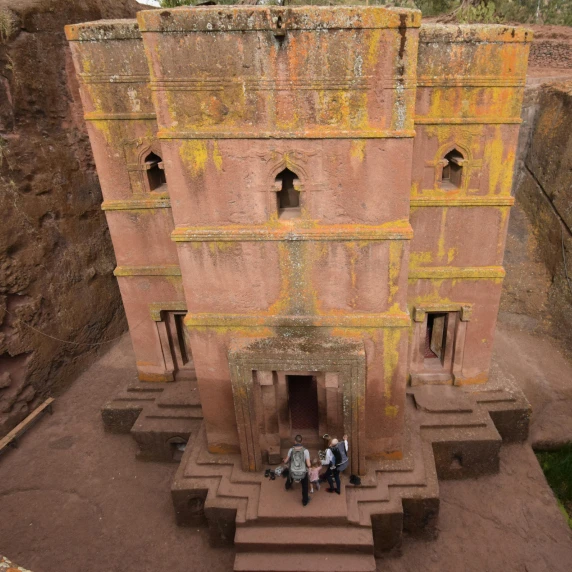
Deep in the Lasta Mountains lies Lalibela, one of the world’s greatest religious and architectural wonders. Built in the 12th century under King Lalibela’s reign, this sacred city was carved entirely from solid volcanic rock an incredible feat of devotion and engineering.
Lalibela’s 11 medieval churches are connected by narrow tunnels and trenches, each one telling a story of faith. Bete Giyorgis (House of Saint George), with its perfectly carved cross shape, stands as the symbol of Ethiopia’s spiritual endurance. Pilgrims dressed in white still walk barefoot through these passageways, their prayers echoing off the ancient stone walls.
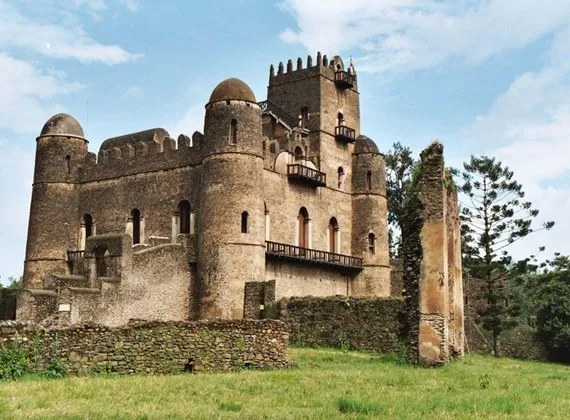
Often called the “Camelot of Africa”, Gondar was the 17th-century capital of Ethiopia and home to emperors, poets, and priests. Surrounded by the peaks of the Simien Mountains, the city flourished under Emperor Fasilidas, who built a series of magnificent castles within the Royal Enclosure (Fasil Ghebbi).
These stone palaces, influenced by Portuguese and Indian architecture, stand proudly as symbols of Ethiopia’s royal heritage. Nearby, the Fasilidas’ Bath filled with holy water during the annual Timkat (Epiphany) celebration becomes the site of vibrant spiritual renewal.
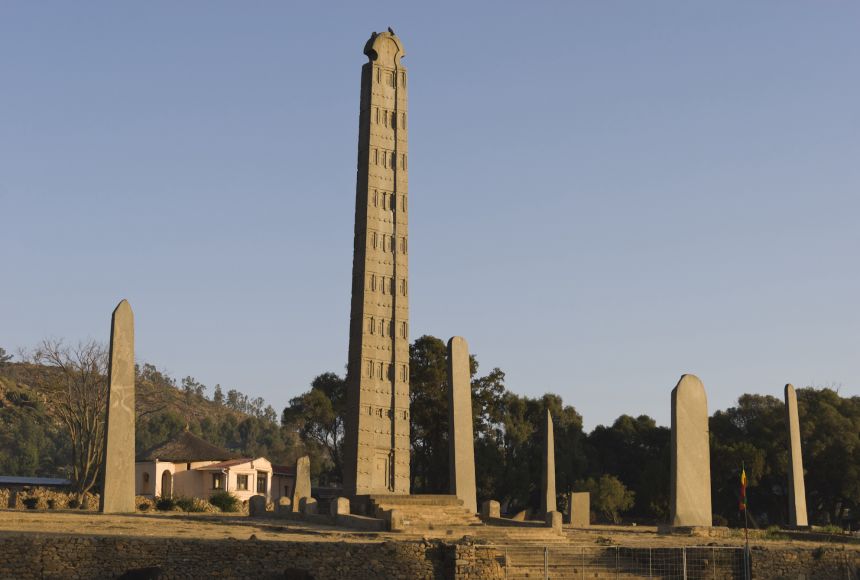
The ancient city of Aksum is where Ethiopian history begins the cradle of the Aksumite Empire, which ruled vast parts of Africa and Arabia between the 1st and 8th centuries AD. It was once one of the world’s greatest trading civilizations, minting its own coins and connecting the Roman Empire with India.
Here, towering obelisks (stelae) rise from the earth massive granite monuments carved in honor of ancient kings. The Great Stele, once 33 meters tall, stands as a symbol of unmatched craftsmanship.
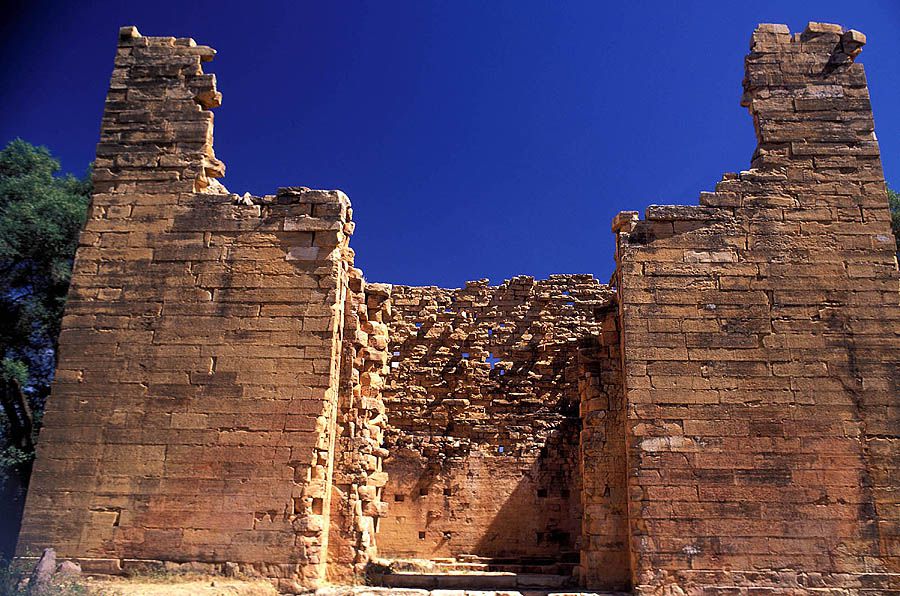
Before Aksum, there was Yeha Ethiopia’s oldest archaeological site and the birthplace of its ancient civilization. Dating back nearly 3,000 years, Yeha’s Temple of the Moon was built from perfectly cut limestone blocks fitted without mortar. Despite the centuries, it still stands strong, a testament to the skill of early Ethiopian builders.
Archaeologists believe Yeha was the religious and political center of the D’mt Kingdom, which laid the foundation for the rise of Aksum. Today, it remains a quiet but powerful place where history, legend, and archaeology come together.
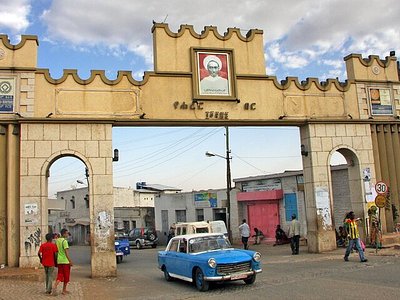
Recognized as the fourth holiest city in Islam, Harar Jugol is a living museum of culture, religion, and architecture. Enclosed by ancient stone walls with five gates, this vibrant city is a maze of narrow alleys, colorful markets, and over 80 mosques some dating back to the 10th century.
Harar is also famous for its unique tradition of feeding wild hyenas, a ritual that has existed for centuries and symbolizes harmony between humans and nature.
From the highlands of Lalibela to the depths of the Danakil Depression, we craft authentic travel experiences that connect you with nature, people, and tradition.