Cultural & Ethnic Experiences

The People of the Lower Omo Valley (Mursi, Hamar, Karo, etc.)

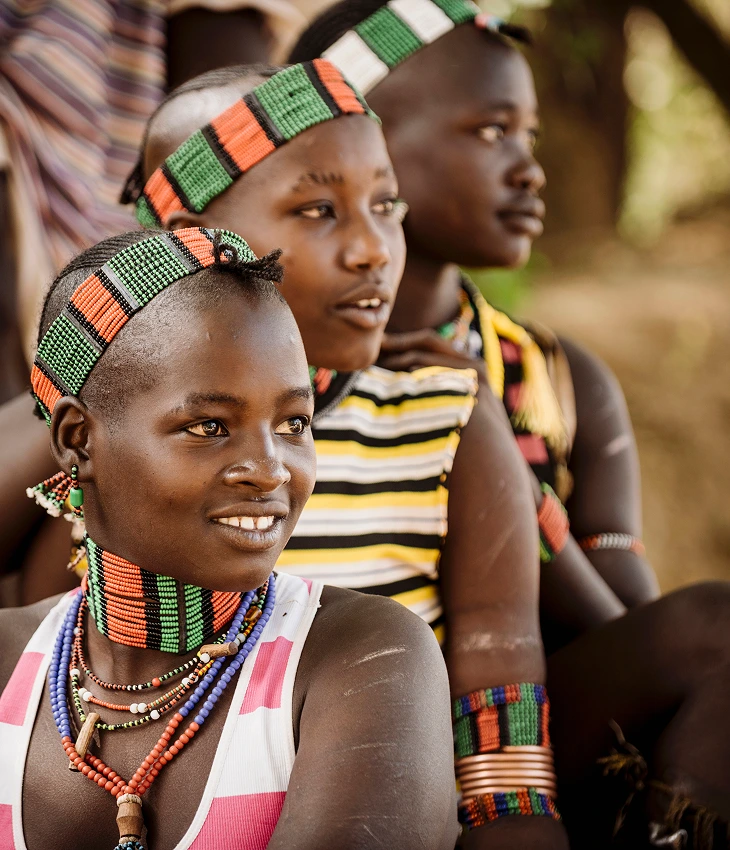
In the far south of Ethiopia lies the Omo Valley, a region where time seems to stand still and culture takes center stage. This UNESCO-recognized region is home to some of the most fascinating and diverse ethnic groups in Africa.
The Mursi are famous for the distinctive lip plates worn by women, symbols of beauty and social identity. The Hamar people are known for their traditional bull-jumping ceremony a rite of passage that marks a young man’s transition into adulthood, celebrated with dance, song, and rhythmic chanting. The Karo tribe paint their bodies in intricate patterns using natural pigments, turning the human form into living art. The Dassanech, living along the Omo River, practice ancient customs tied to fishing and agriculture.
Visiting these communities is a journey into one of the last bastions of ancestral Africa a place where every gesture, dance, and ornament carries generations of meaning.


The Holy City of Harar

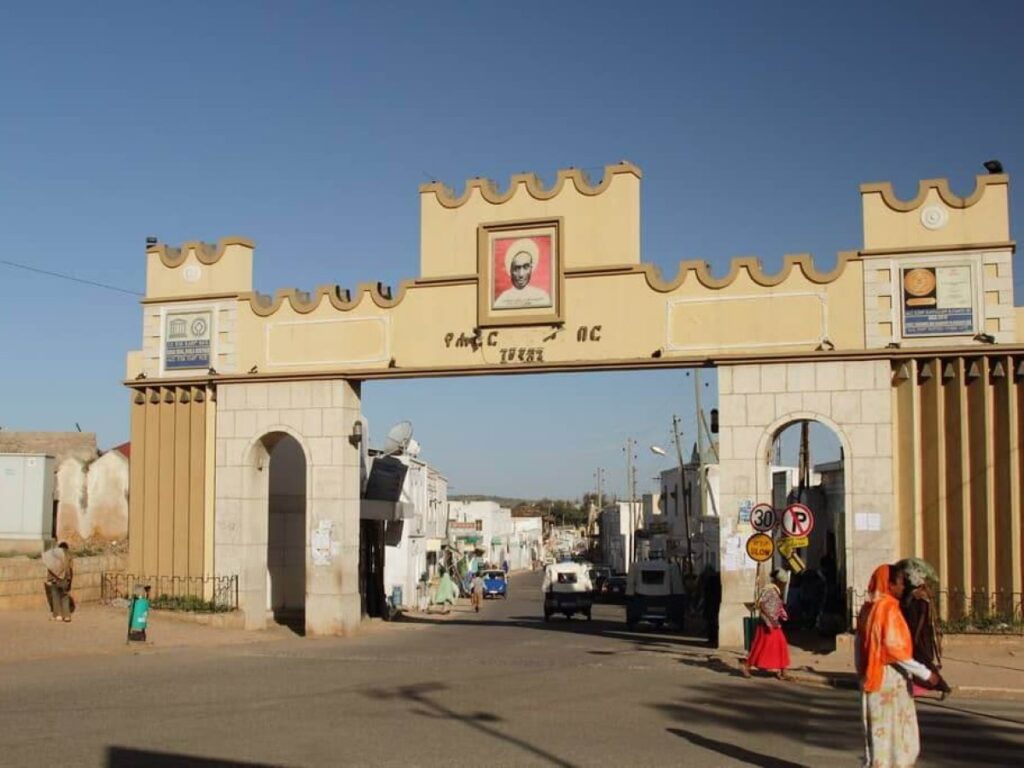
Tucked away in eastern Ethiopia, Harar Jugol stands as a living museum of faith, coexistence, and craftsmanship. Recognized by UNESCO as the fourth holiest city in Islam, Harar has been a crossroads of trade, culture, and religion for more than a thousand years.
Within its ancient city walls lie 82 mosques, 102 shrines, and 368 narrow alleyways, each filled with life, color, and fragrance. The call to prayer mingles with the chatter of merchants selling spices, coffee, and handwoven fabrics.
Harar is also known for its unique cultural tradition of feeding wild hyenas, a practice dating back centuries that represents the city’s harmony with nature.

Dorze Village (Arba Minch Highlands)

Perched high in the green Guge Mountains above Arba Minch, Dorze Village is a paradise of color, craftsmanship, and creativity. The Dorze people are celebrated for their beehive-shaped huts, skillful weaving, and cheerful spirit.
Each house, woven from bamboo and thatched with enset leaves, can last up to 80 years and if termites damage the base, the structure can be moved and replanted, a true symbol of ingenuity.
Visitors can watch Dorze artisans at work, producing vibrant cotton scarves and shawls on traditional looms. You can also taste kocho, a local bread made from the false banana plant, often served with honey and homemade chili sauce.


Ethiopian Festivals

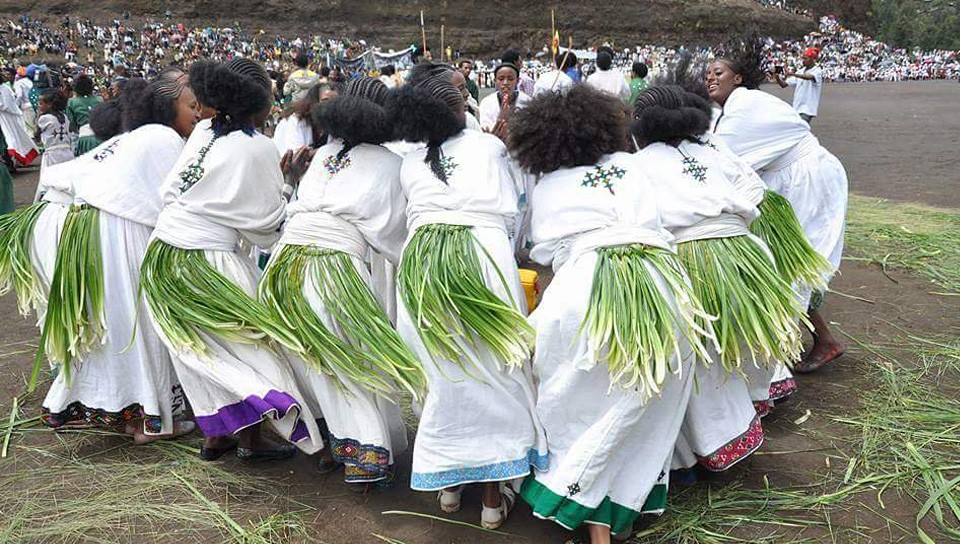
To understand Ethiopia, one must feel the rhythm of its festivals — grand, joyful, and deeply spiritual celebrations that unite the nation.

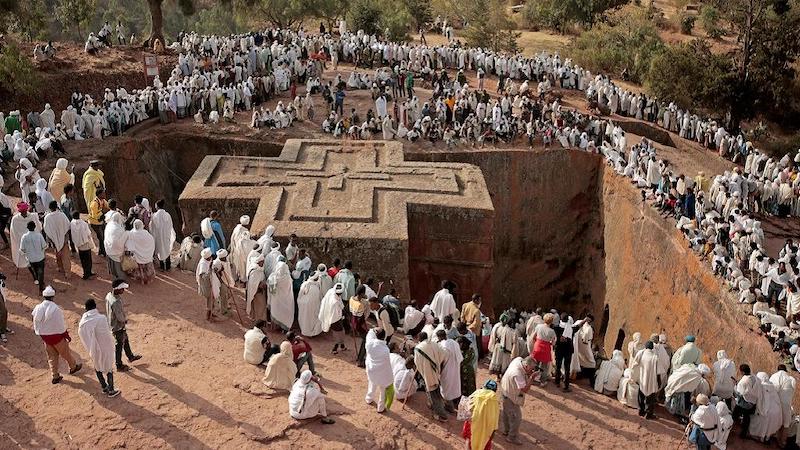
  • Timkat (Epiphany): Held every January, Timkat commemorates the baptism of Christ and transforms towns and villages into rivers of color. Priests carry Tabots (replicas of the Ark of the Covenant) in grand processions, while thousands of faithful dress in white and join in song and dance.

  •  

  • Meskel (Finding of the True Cross): Every September, huge bonfires called Demera are lit across Ethiopia to symbolize the discovery of the True Cross by Empress Helena. Addis Ababa’s Meskel Square hosts one of the most dazzling religious spectacles in Africa.

  • Genna (Ethiopian Christmas): Celebrated on January 7th, Genna is a time of peace and celebration, marked by early morning church services and traditional games.

  • Fasika (Ethiopian Easter): A festival of faith and renewal, with feasting and family gatherings following a long period of fasting.
    Each of these festivals tells a story of devotion, unity, and joy — inviting travelers to witness Ethiopia’s spiritual heartbeat.

Translate »